
Ceramic brakes rarely make your life easier, even if it is suggested so - we tell you why you shouldn't spend money on them!
When you configure a new car, there is a particularly expensive optional extra: ceramic brakes. Of course, the advantages cannot be denied, but there are also some disadvantages - even if you disregard the enormously high costs of this brake system. We think ceramic brakes are a waste of money and have three good reasons for this.

That's why ceramic brakes are a waste of money!
If you are a car enthusiast and are interested in sports cars, then the term ceramic brake is of course familiar to you. It costs a fortune - but you can use it much more, hopefully you never have to change it and it is also lighter than a conventional cast iron brake.
Actually perfect - but we still think that you should save the money. Maybe for a second car, because four ceramic brake discs can easily cost as much as a small car.
1. Delayed braking effect in wet conditions
In our climes, it rains on average 130 days a year. If you have a car with ceramic brakes, then you should be careful on the road on these days. It is often reported that the braking power is very delayed in wetconditions – which is of course bad if you have to come to a stop immediately.
Finding Cars with All-Wheel Drive
Das sogenannte “Trockenbremsen” ist typisch bei Keramikbremsen, vor allem, wenn du die Felgen frisch gereinigt hast oder du im Regen fährst. Denn es befindet sich dann ein Wasserfilm auf den Bremsen, welcher dazu führt, dass erstmal gar nichts passiert, wenn du auf die Bremse drückst. Wenn du die Bremse mal Warmgebremst hast, dann funktioniert sie deutlich besser – nur, wenn du vorher schon einen Unfall gebaut hast, nützt dir das auch nichts.
2. Keramikbremse und Winter sind keine Freunde
Der Winter in Deutschland wird gefühlt immer länger. Schnee, Eis und Streusalz sind nicht gerade das, was eine Keramikbremse liebt. Beim Bremsen entstehen enorm hohe Temperaturen, der Temperaturwechsel zur Umgebungstemperatur ist damit sehr belastend für die Keramikbremse, vor allem im Winter.
Zudem können das Streusalz und die ständige Feuchtigkeit die Verbindungselemente von Keramik-Bremsscheiben korrodieren. Wenn diese an der Bremsscheibe festbacken, dann kann es dazu kommen, dass Risse in der Bremsscheibe entstehen – und dann kannst du deine teure Keramikbremse entsorgen.
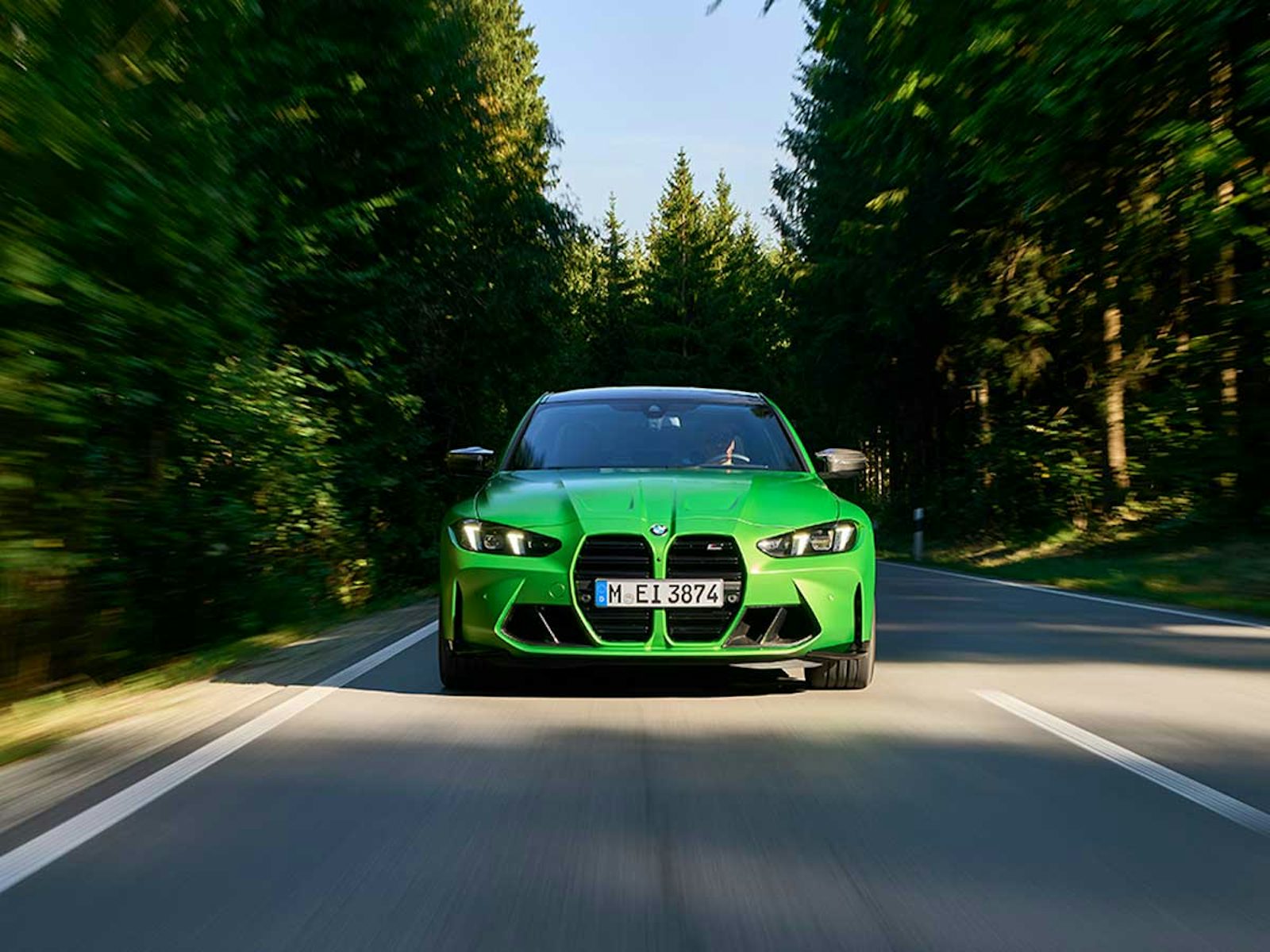
Der Alltag findet nicht auf der Rennstrecke statt
Of course, a ceramic brake has advantages – but these actually only refer to driving around the race track. On a normal road and in most people's everyday lives, a car with ceramic brakes doesn't make sense. They can withstand high temperatures and wear is very low. Of course, this is important in racing, but not on the way from the supermarket to kindergarten.
And even if you sometimes want to accelerate on the highway, your classic brakes are sufficient in any case.